Dad Dad Dad Line Art: A Designer’s Real-World Review
As an embroidery designer who spends more time staring at digitizing software than I do sleeping, I have learned to be skeptical of trendy graphics. We see thousands of files pass through our folders every year, but only a few truly earn their place in a professional embroidery project. When I first pulled up the Dad Dad Dad Line Art file, my initial reaction was one of cautious optimism. It is categorized under Crafts and Graphics, which is broad, but the specific application here is clear: it is a retro-inspired tribute for Father’s Day. But does it hold up when the needle hits the fabric? Let’s break down how this design performs in a real-world studio setting.
First Impressions: Simplicity Meets Nostalgia
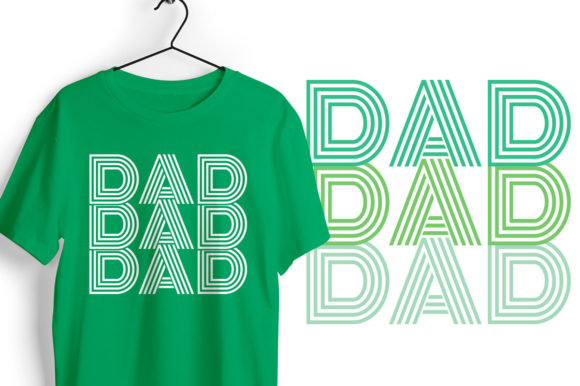
The visual personality of Dad Dad Dad Line Art is defined by its minimalism. In a market saturated with overly complex, multi-colored monstrosities that eat up thread and time, this design breathes. The repetition of the word "Dad" creates a rhythmic, almost musical visual pattern. It feels modern yet nods heavily to vintage typography, striking that difficult balance between contemporary cool and nostalgic warmth. For a designer, this is appealing because it suggests versatility. It does not scream "cheap souvenir"; instead, it whispers "thoughtful personalized gift."
The line art style implies a reliance on clean paths rather than dense fills. This is crucial for us. Heavy fill stitches can distort lightweight fabrics, but a well-executed line design sits flat and crisp. My immediate thought was about clarity. Will the letters merge if stitched too small? Will the retro flair get lost in translation? These are the questions I ask before I even hoop a piece of fabric.
The Real-World Test: From Screen to Sweatshirt
To truly evaluate a machine embroidery design, you have to imagine it on actual products. I recently worked on a batch of custom orders for a local boutique looking to expand their Father’s Day collection. They wanted something that could work on various items without requiring extensive re-digitizing. I loaded the Dad Dad Dad Line Art into my software to simulate a sweatshirt embroidery project.
The result was promising. On a heather grey crewneck, the design popped with a sense of understated confidence. Because the design relies on line work, it avoided the "cardboard effect" that heavy satin stitches sometimes create on fleece or terry cloth. The texture of the fabric remained visible, which elevated the perceived value of the handmade product. Customers today are savvy; they can tell when a design is fighting against the material versus working with it. This design works with the material.
I also visualized it as a tote bag design. Canvas is a forgiving medium for line art, provided the stitch density is appropriate. The retro vibe fits perfectly with the current trend of utilitarian, eco-friendly accessories. Imagine this stitched in a deep navy or forest green thread on a natural cotton tote. It becomes an everyday carry item that a dad would actually use, rather than a gag gift that sits in a drawer. This is the difference between a novelty item and a genuine custom apparel staple.
Navigating Technical Challenges and Fabric Choices
However, no design is perfect for every scenario. As an experienced reviewer, I must point out where Dad Dad Dad Line Art requires careful handling. Line art, by definition, lacks the bulk of fill stitches. This makes it susceptible to visibility issues on textured or dark fabrics if the wrong thread is chosen.
If you are stitching this on a dark navy polo or a black cap, you cannot rely on subtle color contrasts. You need high-visibility thread colors. A matte gold or bright white thread would stand out beautifully, but a muted grey might disappear into the shadows of the fabric weave. Furthermore, because this is likely composed of running stitches or narrow satin columns, the stability of your hoop setup is critical. Any shifting during the embroidery process will be immediately obvious in the alignment of the repeated text.
For those considering this for an embroidered patch, be mindful of the edges. Patches often require a border or a dense backing to prevent fraying. Since this is a text-based line design, ensure that the digitizer has included adequate tie-offs and that the start/stop points are clean. Messy threads at the beginning and end of each "Dad" instance can ruin the clean aesthetic. Always test the design on scrap fabric first. Check the tension. If the bobbin thread is showing through on the top, adjust your tension before committing to a final finished product.
Considerations for Small Hoops and Curved Surfaces
One common mistake makers make is shrinking a design to fit a small hoop size, such as a 4x4 inch hoop for a baby hat or a pocket square. With repetitive text like this, scaling down too much can cause the letters to touch or merge, destroying the legibility. If you are creating baby embroidery items, ensure you are using a font size that remains distinct. The retro charm relies on the separation between the words. If they blur together, the design loses its impact.
Similarly, curved surfaces like caps present a challenge. The distortion inherent in sewing on a curved brim can stretch line art. I recommend using a strong cut-away stabilizer for caps to maintain the integrity of the lines. A tear-away stabilizer might not provide enough support for the repeated stitching, leading to puckering around the text.
Commercial Viability for Etsy Sellers and Craft Businesses
For the Etsy seller or small shop owner, time is money. A design like Dad Dad Dad Line Art is efficient. It likely stitches out faster than a full-color photographic reproduction, meaning you can produce more units in less time. This efficiency directly impacts your profit margins. Moreover, the timeless nature of the "Dad" theme means this is not just a one-season wonder. While it is marketed for Father’s Day, the sentiment is year-round. It works for birthdays, holidays, or just because.
When creating printable mockups for your online store, this design shines. Its clean lines translate well to digital previews. You can easily showcase it on various design assets like aprons, kitchen towels, or pillow covers. The versatility allows you to market it as a multi-use digital embroidery file. However, always confirm the licensing terms. Just because a file is available for purchase does not automatically grant you the right to sell unlimited physical products. Check if it is for personal use only or if it includes a commercial license for your craft business.
Final Verdict: A Staple for the Modern Maker
In the grand scheme of commercial embroidery and handmade goods, Dad Dad Dad Line Art earns its keep. It is not flashy, but it is effective. It respects the medium of embroidery by utilizing line work that complements rather than overwhelms the fabric. For designers looking to add a reliable, retro-inspired piece to their library, this is a solid choice. It requires attention to detail regarding thread contrast and stabilizer choice, but the payoff is a professional, high-quality holiday embroidery piece that customers will appreciate.
Remember, the best designs are those that disappear into the product, leaving only the emotion and the craftsmanship visible. This design achieves that balance. Whether you are stitching a single personalized gift for your own father or producing a run of shirts for your small shop product line, this graphic offers the flexibility and style needed to succeed. Just keep your needles sharp, your tension checked, and your creativity flowing.