Sensory Mom: A Designer’s Review for Embroidery Projects
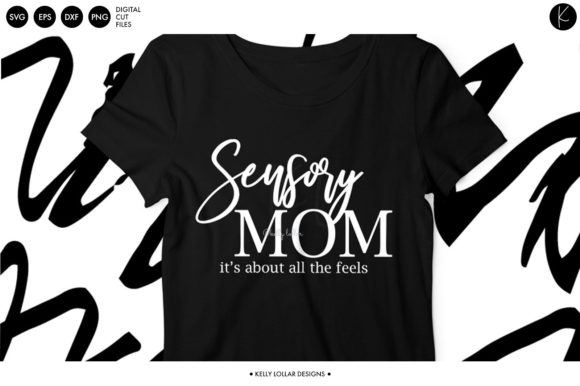
As an embroidery designer who has spent years digitizing patterns and reviewing countless files for client work, I have learned that the emotional resonance of a design is just as critical as its technical execution. When I first opened the Sensory Mom file, I was immediately struck by its relatability. This isn’t just another generic quote; it speaks directly to a specific, often underserved community of parents navigating the complex world of sensory processing. The phrase "It’s About All the Feels" paired with the acknowledgment of the daily balancing act creates an instant connection. For those of us in the Crafts industry, particularly those selling Graphics or finished goods, finding designs that carry genuine weight is rare. This design feels authentic, grounded, and ready for real-world application.
First Impressions: Mood and Visual Personality
The layout of Sensory Mom suggests a thoughtful approach to typography and spacing. In my experience, quotes about parenting and mental load can easily become cluttered if the lettering is too dense or the hierarchy is unclear. Here, the visual personality feels calm yet assertive. It doesn’t scream for attention; instead, it invites a closer look. The mood is one of validation and pride, which is exactly what the target audience—moms managing sensory regulation for their little ones—is looking for.
From a technical standpoint, the balance between text and any accompanying graphical elements appears well-considered. For a machine embroidery design to succeed, the eye needs a place to rest. If this design relies heavily on script fonts, I would be checking the connectivity of the letters to ensure they don’t break during high-speed stitching. If it incorporates icons or shapes, I’d be looking at how they integrate with the text block. The initial preview suggests a clean aesthetic that would translate well across various mediums, from modern minimalist home decor to cozy apparel.
Real-World Application: The Custom Tote Bag Scenario
To truly evaluate a design, I always imagine it on a physical product. Let’s consider a custom embroidered tote bag, a staple for any Etsy seller or small shop product line. Tote bags are often made from canvas or heavy cotton, which provides a stable surface for embroidery. Placing Sensory Mom on a natural-colored canvas tote creates a beautiful contrast. The rugged texture of the fabric complements the soft, supportive message of the design.
In this scenario, the design serves as both a statement piece and a functional identifier. A mom carrying this bag to therapy appointments, school runs, or sensory-friendly events would feel seen. For the craft business owner, this translates to higher perceived value. It’s not just a bag; it’s a badge of honor. When I visualize the stitching, I imagine using a matte cotton thread to keep the look organic and understated. The finished product would appeal to buyers who appreciate subtle branding over loud graphics. This kind of personalized gift potential is high, especially for Mother’s Day or as a support gift for a friend navigating similar challenges.
Versatility Across Apparel and Home Decor
Beyond tote bags, Sensory Mom shows strong potential for custom apparel. Imagine this design embroidered on the left chest of a oversized sweatshirt. Sweatshirt embroidery requires careful attention to stitch density. If the design is too dense, it can cause the fabric to pucker or become stiff and uncomfortable against the skin. Given the likely mix of text and simple graphics in this category, I would recommend using a lighter fill stitch or even a running stitch outline for larger elements to maintain the garment's drape.
For baby embroidery projects, such as a onesie or a small blanket, scale is everything. You must verify the hoop size compatibility before purchasing or downloading. If the design is intended for a 4x4 hoop, it might need resizing for a baby item, which could compromise the legibility of smaller text. Always check the minimum recommended size provided by the digitizer. On the other hand, for holiday embroidery gifts, this design could be adapted for a pillow cover or a kitchen towel, adding a touch of personal significance to everyday household items.
Navigating Fabric and Technical Challenges
While the design is versatile, there are areas where caution is necessary. Textured fabrics, such as terry cloth towels or fluffy fleece, can obscure fine details. If Sensory Mom includes thin lines or small serifs, they may get lost in the pile of the fabric. In these cases, using a cutaway stabilizer is non-negotiable to provide a firm foundation. Additionally, dark fabrics present a challenge for thread visibility. If you are stitching on navy or black, you must choose high-contrast thread colors. A test stitch on scrap fabric is essential here to ensure the "feels" quote remains readable.
Curved surfaces, like caps or hats, require special attention to placement. The center front of a cap is a small, curved area. If the design is wide, it may distort when hooped. I would advise against using this specific design on structured caps unless it has been specifically digitized for that purpose or is small enough to fit within a standard cap frame without warping. For embroidered patch creation, however, the design could shine. Patches allow for dense stitching on a stable backing, which can then be applied to various garments, offering flexibility for the end user.
Enhancing Brand Consistency and Customer Trust
For commercial embroidery professionals and digital embroidery file sellers, consistency is key. Using a design like Sensory Mom helps build a brand identity centered on empathy and awareness. When customers see a well-executed, emotionally resonant design, their trust in your craftsmanship increases. It signals that you understand your audience beyond just aesthetics. This emotional connection drives buyer engagement and can lead to repeat customers who appreciate the thoughtfulness behind your design assets.
Furthermore, creating printable mockup images that showcase the design in realistic settings—such as on a cozy chair or held by a parent—can significantly boost sales for online listings. These visuals help customers envision the handmade product in their own lives, bridging the gap between digital preview and physical reality.
Practical Notes for the Embroidery Designer
Before committing to a large production run or listing this as a new product, take these practical steps:
- Test on Scrap Fabric: Always stitch out the design on the same type of fabric you intend to use for the final product. This reveals any tension issues or registration errors.
- Check Thread Contrast: Ensure your thread choices provide sufficient contrast against the fabric background, especially for the text portions of the design.
- Review Stitch Density: If the design feels heavy, consider adjusting the density settings in your software if you have the editable file, or choose a lighter fabric weight.
- Confirm Hoop Size: Verify that your machine’s hoop can accommodate the design dimensions without requiring excessive re-hooping.
- Inspect Small Details: Zoom in on the digital file to check for tiny jumps or unnecessary trims that could slow down production or cause thread breaks.
- Licensing Verification: Crucially, confirm the license terms. Can you sell finished items featuring Sensory Mom? Can you resell the digital file? Never assume; always read the terms provided by the creator.
In conclusion, Sensory Mom is more than just a pretty pattern; it is a tool for connection. For the experienced designer, it offers a balanced mix of emotional depth and technical feasibility. By respecting the material constraints and understanding the audience, you can transform this embroidery project into a meaningful finished product that resonates deeply with customers. Whether you are an Etsy seller looking to expand your niche or a hobbyist making a gift for a friend, this design holds significant promise when handled with care and professional insight.