Hey Boo Graffiti: A Designer’s Stitch Review
As a designer who has spent countless hours digitizing and testing files for real-world application, I approach every new machine embroidery design with a mix of curiosity and caution. We have all seen those cute digital previews that look flawless on a white background but turn into a tangled mess of thread breaks and puckering once they hit the hoop. That is why I took a close look at Hey Boo Graffiti. This isn’t just about whether it looks cute; it is about whether it holds up under the needle when you are trying to run a efficient craft business or create a lasting personalized gift.
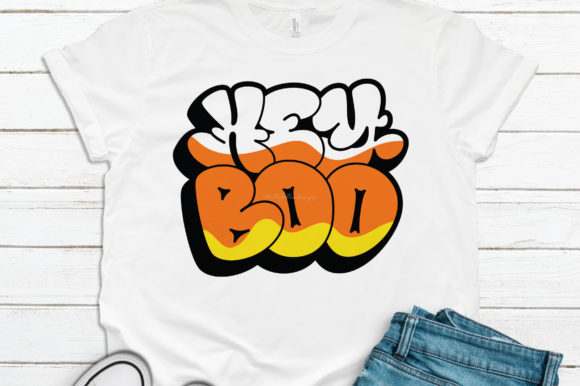
The first thing that strikes you about Hey Boo Graffiti is its attitude. It taps directly into that nostalgic 90s vibe where graffiti lettering was king, yet it softens the edge enough to be adorable rather than aggressive. For anyone in the Crafts and Graphics space, finding a balance between "edgy" and "kid-friendly" is often a challenge. This design manages to walk that line effectively. The hand-lettered style suggests movement and energy, which is perfect for Halloween projects that want to feel playful rather than scary. But as an experienced reviewer, my mind immediately goes to the technical execution. How do those jagged, graffiti-style edges translate into stitches? Will the small details survive the wash cycle?
Real-World Application: The Sweatshirt Test
To truly evaluate this design, I imagined a specific scenario: a custom order for a toddler’s Halloween sweatshirt. This is a common request for Etsy sellers and small shop owners during the autumn rush. The client wants something unique, not just another mass-produced pumpkin face. Hey Boo Graffiti fits this brief beautifully. The quote is short, punchy, and instantly recognizable.
When placing this design on a sweatshirt, the visual weight is crucial. Sweatshirts are thick, textured fabrics. A design that is too delicate will get lost in the fleece. Fortunately, the bold nature of graffiti lettering usually implies a certain thickness in the strokes. In my assessment, this design likely relies on a combination of fill stitches for the body of the letters and perhaps some satin stitch borders to define the edges. This structure is ideal for heavier garments because it provides enough coverage to stand out against the fabric texture without looking sparse.
However, the "graffiti" aesthetic often includes drips, splatters, or uneven ends. In embroidery, these decorative accents can be tricky. If the digitizer has used too many running stitches for the finer details, they might snag easily. If they are too dense, the fabric might pucker. My advice here is to check the stitch density carefully. For a sweatshirt, you can afford a slightly higher density because the stabilizer has more to hold onto, but you still want to avoid creating a stiff, cardboard-like patch on a soft garment.
Versatility Across Products
Beyond sweatshirts, where else does Hey Boo Graffiti shine? I see strong potential in tote bag designs. Canvas bags are sturdy and handle embroidery well. The casual, street-art vibe of the text complements the utilitarian nature of a tote. It transforms a simple grocery bag into a fun holiday accessory. Similarly, this could work wonderfully as an embroidered patch. Patches allow you to pre-stitch the design on a stable backing before applying it to the final product. This is a smart move for items that undergo frequent washing, like kids' play clothes or aprons.
For baby embroidery, caution is key. While the design is cute, ensure the thread colors are soft and the backing is comfortable against sensitive skin. If you are using this for a onesie, consider scaling it down slightly, but be wary of making the text too small. Tiny lettering in a graffiti style can become illegible if the stitches merge together. Always test on scrap fabric first, especially when working with stretchy knits common in baby clothes.
Technical Considerations for Embroiderers
Let’s talk about the nuts and bolts of stitching this file. Whether you are a hobbyist or running a commercial embroidery operation, the technical setup determines the quality of the finished product.
- Hoop Size and Placement: Check the dimensions of the digital embroidery file before you start. Graffiti designs often have wide aspect ratios. Ensure your hoop can accommodate the width without distorting the letters. If you are working on a curved surface like a cap, you may need to adjust the placement to avoid the seam.
- Stabilizer Selection: This is non-negotiable. For the best results, use a cut-away stabilizer for knit fabrics like t-shirts and sweatshirts to prevent stretching over time. For woven fabrics like tote bags or pillow covers, a tear-away might suffice, but a light cut-away ensures longevity.
- Thread Colors: The success of this design hinges on contrast. Graffiti pops when it stands out. If you are stitching on a dark fabric, use bright, vibrant thread colors. On light fabric, you can go bold with blacks or deep purples. Always test your thread color combination on a scrap piece of the actual fabric you intend to use. Screen colors rarely match thread colors perfectly.
- Detail Inspection: Zoom in on your software. Look for any areas where the stitch direction changes abruptly. These are potential weak points. If you see long jumps or loose connecting threads, add tie-offs in your digitizing software or trim them carefully after stitching.
Commercial Value and Brand Consistency
For Etsy sellers and creative entrepreneurs, the visual appeal of your listing photos can make or break a sale. Hey Boo Graffiti offers a distinct aesthetic that can help your brand stand out. It feels handmade and personal, which builds customer trust. When buyers see a well-executed embroidery project, they perceive higher value. This design, with its playful nostalgia, appeals to parents looking for unique holiday gifts and boutique shoppers who want something different from big-box store offerings.
However, professionalism is paramount. A sloppy stitch-out damages your reputation. Before listing this as a small shop product, ensure your tension is perfect and your bobbin thread matches the top thread or blends seamlessly. Create printable mockups and high-quality photos that show the texture of the stitches. Highlight the quality of the craftsmanship. This attention to detail turns a simple graphic into a premium handmade product.
Final Verdict and Practical Advice
In conclusion, Hey Boo Graffiti is a strong contender for your autumn and Halloween lineup. It captures a specific mood that resonates with current trends while remaining timeless enough to be reused. It works best on medium-to-heavy weight fabrics where the bold lines can breathe. It is less suitable for very thin, delicate silks or sheer materials unless heavily stabilized and scaled appropriately.
Before you commit to a large batch of custom apparel or holiday embroidery projects, take the time to do a test run. Check the license terms provided with the download to confirm whether it allows for commercial use on finished physical items. Most designers allow this, but it is always wise to double-check. Verify the file formats compatible with your machine to avoid conversion issues that can alter stitch paths.
Ultimately, this design is a tool. Like any tool, its effectiveness depends on the skill of the user. With proper stabilizer, correct tension, and thoughtful fabric selection, Hey Boo Graffiti can elevate your embroidery project from standard to standout. It is a fun, functional, and commercially viable asset for any designer looking to add a touch of 90s flair to their seasonal collection.