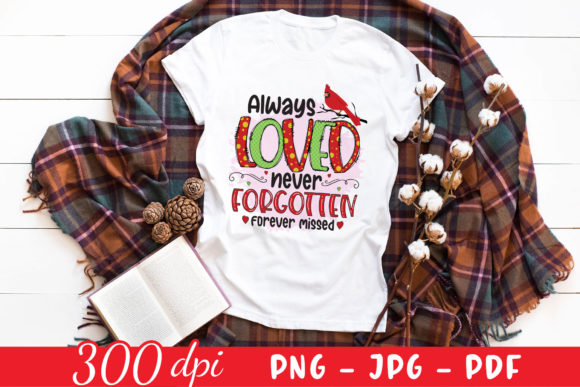
Reviewing Cozy Season, Winter Sublimation Design
As a designer who spends half my life staring at digitized files and the other half watching needles punch through fabric, I have learned that not every pretty graphic translates well into thread. We often see designs marketed broadly across Crafts and Graphics, but the transition from a flat digital image to a textured, stitched reality requires a critical eye. Recently, I evaluated the Cozy Season, Winter Sublimation Design to determine its viability for real-world embroidery projects. While the product description highlights its use for sublimation on t-shirts and mugs, my focus was strictly on how this winter-themed artwork performs when converted into a machine embroidery design for handmade products.
First Impressions: Mood and Visual Personality
The first thing that strikes you about the Cozy Season, Winter Sublimation Design is its atmospheric warmth. It does not scream for attention with neon brightness; instead, it invites the viewer in with a sense of quiet comfort. The layout features a beautiful quote paired with eye-catching graphics that evoke the stillness of a snowy day. For an embroidery project, this mood is invaluable. It suggests a product that is meant to be held, worn, or displayed in a personal space.
The creative theme relies heavily on balance. The text and graphical elements are arranged to create a cohesive unit rather than disjointed parts. In the context of embroidery, this is crucial. A scattered layout can lead to excessive jump stitches, which clutter the back of the fabric and increase production time. The visual personality here feels curated, suggesting that it would work beautifully for boutique branding where consistency and professionalism are key.
Real-World Application: From Digital File to Finished Product
To truly test the versatility of this design, I imagined several scenarios where an Etsy seller or small shop owner might utilize it. The most immediate application that came to mind was custom apparel. Imagine this design stitched onto the chest of a heavy cotton sweatshirt. The "cozy" aesthetic aligns perfectly with the tactile nature of fleece or French terry fabric. The quote, if legible at the intended size, becomes a statement piece, while the surrounding graphics add decorative weight without overwhelming the garment.
Beyond apparel, I considered its use on home goods. A tote bag design needs to be durable and visually clear from a distance. The bold elements of the Cozy Season, Winter Sublimation Design would stand out well against canvas or denim. For holiday embroidery, such as pillow covers or kitchen towels, the winter theme provides seasonal relevance that drives sales during the fourth quarter. However, the transition from sublimation to embroidery requires careful planning. Sublimation allows for infinite color gradients, whereas embroidery relies on distinct thread colors. A designer must decide whether to simplify the color palette to maintain stitching clarity or use blend threads to mimic the original graphic’s depth.
Considerations for Small Hoops and Textured Fabrics
While the design is versatile, it is not without its constraints. One must be cautious when applying this to small hoop sizes. If the quote contains tiny lettering, reducing the overall size of the embroidery file could render the text unreadable. In embroidery, detail loss is a common pitfall when scaling down complex graphics. I recommend testing the design on scrap fabric at various sizes to find the minimum viable dimensions before committing to a final product.
Fabric texture also plays a significant role. On smooth fabrics like broadcloth or high-quality polyester blends, the satin stitch and fill stitch details will appear crisp. However, on textured fabrics like wool blends or waffle knits, the finer details of the graphics might get lost in the weave. For stretchy fabrics, such as those used in baby embroidery or athletic wear, proper stabilization is non-negotiable. Without a cut-away stabilizer, the tension from the stitches could cause the fabric to pucker, ruining the professional look of the finished product.
Enhancing Visual Appeal and Brand Value
Why choose embroidery over sublimation for this design? The answer lies in perceived value. An embroidered patch or direct stitch adds a three-dimensional quality that flat printing cannot achieve. For a craft business, this tactile element justifies a higher price point. Customers associate embroidery with longevity and craftsmanship. When a buyer receives a personalized gift featuring the Cozy Season, Winter Sublimation Design stitched in high-quality thread, the item feels substantial and thoughtful.
This design also supports brand consistency. If your small shop specializes in winter goods or holiday items, using a cohesive visual theme across your product line builds recognition. Whether it is a cap, an apron, or a nursery decor item, the consistent use of this winter motif helps customers identify your style. It enhances buyer engagement because the product tells a story of comfort and seasonality, which resonates emotionally with consumers looking for meaningful purchases.
Practical Notes for the Embroidery Designer
Before loading this design into your machine, there are several technical steps you must take. First, verify the file formats. Since the source is described as a sublimation design, you may need to digitize it yourself or purchase a separate digital embroidery file version. Ensure you have the correct rights for commercial embroidery if you plan to sell the finished items. Licensing terms vary, so always confirm whether the design assets allow for physical product sales.
- Test on Scrap Fabric: Always run a test stitch-out on the same type of fabric you intend to use for the final product. This reveals issues with thread tension and registration.
- Check Thread Color Contrast: Sublimation designs often use subtle gradients. In embroidery, you must select thread colors that provide enough contrast against the fabric background to ensure the quote and graphics are visible.
- Review Stitch Density: High stitch density can make a garment stiff and uncomfortable. If digitizing this yourself, consider using running stitch for outlines and lighter fill stitch patterns for larger areas to keep the fabric soft.
- Inspect Small Details: Zoom in on the digital preview. Are there tiny elements that might break or bunch up? Simplify these areas if necessary.
- Mockup Testing: Create printable mockups or digital previews in both black and white and color. This helps you visualize how the design reads without the distraction of color, focusing purely on shape and composition.
Additionally, consider the washing instructions for the end user. Embroidered items, especially those with dense stitch areas, require care. Advise your customers to wash inside out in cold water to preserve the integrity of the threads and the fabric. This attention to aftercare instruction builds trust and reduces return rates.
Final Verdict on Commercial Viability
The Cozy Season, Winter Sublimation Design holds strong potential for embroidery applications, provided the designer respects the limitations of the medium. It is not merely a graphic to be slapped onto a product; it is a design element that requires thoughtful integration. For the Etsy seller or handmade shop owner, this design offers a pathway to creating high-margin, emotionally resonant products. By paying attention to hoop size, stabilizer choice, and thread selection, you can transform this winter theme into a standout item in your inventory. Whether used for a custom apparel line or a set of holiday gifts, the key is to let the quality of the stitching enhance the inherent coziness of the design. With proper execution, this design can become a staple in your winter collection, driving both aesthetic appeal and commercial success.