Reviewing Our First Mother s Day for Real Stitching
As a designer who has spent countless hours staring at hoop frames and troubleshooting thread breaks, I approach every new machine embroidery design with a mix of optimism and skepticism. We have all been there: a digital file looks pristine on the screen, but once it hits the fabric, the reality can be quite different. Today, I am taking a close look at Our First Mother s Day, a graphic asset categorized under Crafts that promises to capture a tender milestone. The question is not just whether it looks cute in a preview, but whether it holds up when stitched into a tangible, heirloom-quality piece.
First Impressions and Visual Personality
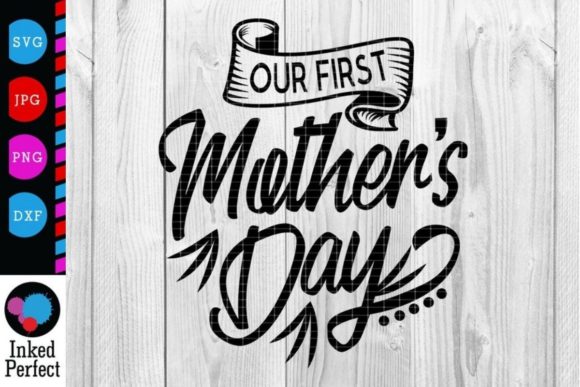
The immediate mood of Our First Mother s Day is warm and celebratory. It leans heavily into the emotional connection between parent and child, which is exactly what customers are looking for during this specific holiday window. From a layout perspective, the quote structure suggests a balanced composition. For embroidery, balance is critical. If the text is too spread out, you risk long jumps that can snag or create messy backsides. If it is too condensed, the stitch density might become excessive, leading to puckering.
This design feels like it belongs in the realm of sentimental keepsakes rather than bold streetwear. It has a softness to its visual personality that pairs well with pastels and neutrals. When I visualize this as a digital embroidery file, I see it working best where clarity is key. The typography needs to be legible even after the texture of the thread interacts with the weave of the cloth. This is where many graphics fail, turning into unreadable blobs once the needle starts moving. However, the premise here suggests a clean, readable approach that prioritizes the message.
Real-World Application Scenarios
Let us move beyond the screen and think about actual production. The product description mentions matching shirts, which is a classic use case. But as an experienced maker, I see broader potential. Imagine this design centered on a high-quality cotton tote bag. A tote bag design requires durability and clear visibility from a distance. If the lettering is substantial enough, this could be a bestseller for spring markets.
Another strong candidate is sweatshirt embroidery. Hoodies and crewnecks provide a stable, thick canvas that handles stitch density well. Placing Our First Mother s Day on the left chest or as a larger back print creates a boutique feel. For smaller items, consider baby embroidery on onesies or burp cloths. Here, scale is everything. You must ensure the design scales down without losing integrity. Tiny serifs or intricate details often disappear on small hoops, so a simplified version or careful digitizing is essential.
I also envision this as part of a curated gift set. Pairing an embroidered pillow cover with a matching kitchen towel creates a cohesive home decor package. These handmade products sell because they feel personal and thoughtful. The design acts as the anchor for the entire product line, giving your craft business a consistent visual theme for the season.
Technical Considerations for Stitching
Before you load this into your machine, there are practical factors to address. First, consider the stitch density. Text-heavy designs can become stiff if the fill is too dense. I recommend checking if the design uses a combination of satin stitch for outlines and lighter fill stitches for larger areas. Satin stitch provides a smooth, professional finish but can be prone to snagging if the columns are too wide. Running stitch elements might be used for finer details, offering a more subtle, vintage look that ages well with washing.
Fabric choice plays a massive role. On textured fabrics like terry cloth or fleece, small details can get lost. In these cases, using a contrasting stabilizer color can help you see the placement clearly, but the thread color contrast is even more vital. Light thread on dark fabric requires precise underlay stitching to prevent the background from showing through. Conversely, dark thread on light fabric highlights every imperfection in tension.
If you are planning to use this on stretchy materials like jersey knits for t-shirts, proper stabilization is non-negotiable. A cut-away stabilizer is usually best for garments that will be washed frequently. Without it, the embroidery may pucker over time, ruining the aesthetic of your custom apparel. Always test on scrap fabric first. Do not skip this step. Seeing how the thread interacts with the specific material you intend to sell can save you from costly mistakes.
Navigating Challenges and Limitations
While Our First Mother s Day has strong potential, it is not without its challenges. Small hoop sizes can be restrictive. If the design is wide, you may need to hoop it vertically or split the design, though splitting text is generally discouraged for readability. Curved surfaces, such as caps or hats, require careful positioning. Embroidering on a cap means dealing with seams and structural buckram. Ensure the design fits within the safe zone away from the brim and side seams.
Additionally, consider the washing instructions you will provide to your customers. Dense embroidery can trap moisture and detergent. Advising clients to turn garments inside out and wash on gentle cycles helps maintain the longevity of the finished product. This attention to care instructions builds trust and reduces returns, which is crucial for any Etsy seller or small shop owner.
Enhancing Value and Brand Consistency
Using a well-executed design like this elevates the perceived value of your work. It signals professionalism. When a customer sees clean edges, consistent tension, and thoughtful placement, they are not just buying a shirt; they are buying confidence in your brand. This design can serve as a cornerstone for your spring marketing. Use it in printable mockups to showcase versatility. Show it on a mug, a bib, and a tote to demonstrate range.
For those selling design assets or digital files, ensure you clarify the license terms. Can buyers use this for commercial purposes? Are there restrictions on the number of physical items produced? Clear communication here prevents legal issues and fosters a respectful community of makers. Whether you are creating an embroidered patch for a local group or a personalized gift for a family member, understanding the rights associated with the graphics is essential.
Final Designer Notes
To get the best results with Our First Mother s Day, start by reviewing the file in your embroidery software. Check the stitch sequence to minimize jumps. Test different thread colors; sometimes a monochromatic look offers a sophisticated twist, while vibrant contrasts pop for festive gifts. Compare the design on both light and dark backgrounds to ensure versatility.
Remember, the goal is to create a piece that feels special. Whether it is for holiday embroidery collections or year-round commercial embroidery projects, the quality of your execution matters most. Take the time to refine your settings, choose the right stabilizer, and stitch with intention. This design has the heart to resonate with customers, but it is your skill that will bring it to life.