Reviewing the Sensory Astronaut Helmet Design
As a designer who spends more time staring at stitch simulations than actual fabric, I have learned that not every digital file translates well to thread. We often get swept up in the visual appeal of a digital embroidery file on a screen, forgetting the mechanical realities of the needle and bobbin. Recently, I pulled up the Sensory Astronaut Helmet design to evaluate its potential for a client’s upcoming line of sensory-friendly apparel. This isn’t just another cute space motif; it carries a specific message about proprioception and sensory processing awareness. My goal was to determine if this graphic holds up under the scrutiny of real-world production, from hoop setup to the final press.
First Impressions: Mood and Visual Personality
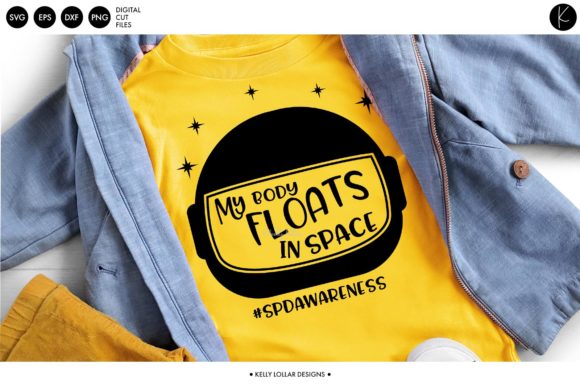
The first thing that strikes you about the Sensory Astronaut Helmet is its gentle, approachable aesthetic. It avoids the harsh, high-contrast lines often found in standard clip art, opting instead for a softer layout that feels inviting. The theme blends the wonder of space exploration with a grounded message about body awareness. For me, the mood is calm yet engaging. It does not scream for attention; rather, it invites a closer look. This subtle confidence is crucial when designing for children or individuals with sensory processing differences, where overwhelming visuals can be counterproductive.
The layout balances the helmet illustration with the quote, "My Body Floats in Space." The typography appears clean and legible, which is a significant relief. Too many designs in the Crafts category sacrifice readability for style, resulting in stitched text that looks like a tangled mess. Here, the spacing suggests thoughtful consideration of how letters will form with thread. It feels like a piece of design assets created by someone who understands both graphic design principles and the limitations of embroidery machines.
Real-World Application: The Sweatshirt Test
To truly test the viability of this design, I imagined a specific project: a custom heavyweight cotton sweatshirt for a child with sensory needs. The goal was to create a personalized gift that serves as both a comfortable garment and a conversation starter about neurodiversity. In this scenario, the Sensory Astronaut Helmet shines. The rounded shapes of the helmet lend themselves well to fill stitch techniques, providing a smooth texture that is less likely to irritate sensitive skin compared to dense, raised satin columns.
I considered placing the design on the left chest for a subtle look or centered on the back for a bold statement. For a small shop product, the back placement offers better visibility for the quote, allowing the message about spdawareness to be read easily. The design’s scale seems versatile enough to work in a medium hoop, making it accessible for most home hobbyists and professional Etsy sellers alike. It transforms a simple piece of custom apparel into a meaningful item that validates the wearer’s experience.
Stitching Clarity and Fabric Considerations
When evaluating any machine embroidery design, we must consider how it interacts with fabric texture. The Sensory Astronaut Helmet appears to rely on a mix of solid fills and potentially some running stitch details for outlining. On a stable cotton or polyester blend, this should stitch out cleanly. However, caution is advised when working with stretchy fabrics like jersey knits. Without proper stabilization, the circular elements of the helmet could distort, turning a perfect circle into an oval.
I recommend using a cut-away stabilizer for garments that will undergo frequent washing, such as school clothes or daily wear. For a tote bag design or a canvas apron, a tear-away might suffice, but the density of the helmet’s visor area suggests that extra support is wise. If you are attempting this on a textured fabric like terry cloth or fleece, you may need to adjust the pull compensation settings in your software to prevent the stitches from sinking into the pile. Always test on scrap fabric first. This step is non-negotiable for maintaining professionalism in commercial embroidery.
Navigating Technical Challenges
While the design is strong, there are areas where an experienced eye must proceed with care. The lettering, while clear on screen, will depend heavily on the size at which you stitch it. If you shrink the Sensory Astronaut Helmet to fit a small cap or a baby onesie, the smaller text may become illegible. Tiny serifs or thin strokes can break or merge during stitching. For baby embroidery projects, I would suggest enlarging the design slightly or simplifying the text if your software allows for editing.
Another consideration is thread color contrast. The design likely relies on distinct colors to separate the helmet from the background and the text from the illustration. On dark fabrics, you must ensure that the thread colors are bright enough to pop. A dark blue helmet on a black sweatshirt will disappear. Use your machine’s preview function or create a printable mockup to check contrast before threading up. Additionally, check the stitch density. If the helmet area is too dense, it can cause puckering, especially on thinner materials. Adjusting the density or using a water-soluble topping can mitigate this issue.
Commercial Viability and Brand Consistency
For craft business owners, the appeal of this design lies in its niche relevance. Sensory awareness is a growing conversation, and products that support this community are in demand. Using the Sensory Astronaut Helmet in your Etsy listings or at craft fairs can help build brand consistency if your shop focuses on inclusive, thoughtful goods. It signals to customers that you understand their needs beyond just aesthetics.
However, always verify the licensing terms. Just because a file is labeled under Graphics or Crafts does not automatically grant commercial rights. Confirm whether you can sell finished items like embroidered patches or holiday embroidery gifts. Trust is built on transparency, and respecting intellectual property is part of that professional standard. If the design is intended for personal use only, you must respect those boundaries. If commercial use is allowed, leverage it to create a cohesive collection of sensory-friendly items.
Final Verdict for Makers
The Sensory Astronaut Helmet is a thoughtful addition to any designer’s library. It balances emotional resonance with technical feasibility. It is not just a decorative element; it is a tool for advocacy and comfort. Whether you are creating a finished product for a local boutique or a one-off personalized gift for a friend’s child, this design offers a unique blend of charm and purpose. Remember to check your hoop size, select the right stabilizer, and test your thread colors. With careful execution, this design can elevate your embroidery project from simple stitching to meaningful craftsmanship.