But First Hot Cocoa Winter PNG: A Designer’s Review
As a designer who spends more time staring at stitch simulations than actual fabric, I have learned that not every graphic translates well to thread. When I first pulled up the But First Hot Cocoa Winter PNG, my initial reaction was one of cautious optimism. The phrase itself is a cultural staple for the colder months, evoking immediate feelings of warmth, comfort, and hygge. However, knowing that this asset is marketed primarily as a sublimation design with high-resolution 300 DPI PNG, JPG, and PDF files, I had to approach it with a critical eye. How does a raster-based graphic intended for heat transfer hold up when we attempt to adapt it for embroidery? This review breaks down the practical realities of using this design in real-world craft business scenarios.
First Impressions and Visual Personality
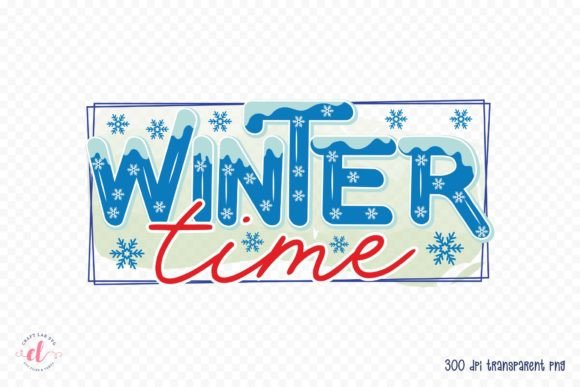
The mood of this design is undeniably cozy. The typography likely leans towards something playful yet legible, paired with graphics that suggest steam, mugs, or winter motifs. For an embroidery project, the visual personality needs to be clear. In sublimation, you can rely on gradients and soft edges. In embroidery, you are working with physical threads that have thickness and direction. My first step in evaluating any new design asset is to imagine how those curves will translate into satin stitches or fill stitches. If the original But First Hot Cocoa Winter PNG features intricate, thin lines or complex shading, it requires significant digitizing work to become a functional machine embroidery design. If it is bold and graphic, it is much more forgiving for home embroiderers and small shop owners.
Real-World Application: The Holiday Tote Bag Scenario
To test the viability of this graphic, I mentally placed it on a canvas tote bag, a popular item for Etsy sellers during the holiday rush. Imagine a customer ordering a personalized gift for a teacher or a friend. The But First Hot Cocoa Winter PNG would sit centrally on the bag. Because the file provided is a high-resolution PNG with a transparent background, it serves as an excellent reference layer for digitizers. You can import this image into your embroidery software to trace the outlines and define stitch types.
For a tote bag, durability is key. I would recommend using a dense fill stitch for the main text to ensure it withstands frequent washing and heavy use. The "eye-catching graphics" mentioned in the description need to be simplified. Complex illustrations often turn into messy blobs of thread if the stitch density is too high or if the details are too small for the hoop size. By simplifying the graphic elements from the original PNG, you create a cleaner embroidered patch look that feels professional rather than cluttered.
Fabric Considerations and Stitching Clarity
One of the biggest challenges when adapting a sublimation-ready graphic like this for embroidery is fabric texture. Sublimation works best on polyester blends, while embroidery thrives on cotton, denim, fleece, and toweling. If you are planning to use this design on a sweatshirt, the plush texture of the fleece can swallow up small details. Here, the But First Hot Cocoa Winter PNG must be scaled appropriately. I advise avoiding tiny lettering on textured fabrics. Instead, opt for a larger hoop size to allow the text to breathe.
Thread color contrast is another critical factor. Since this is a winter-themed design, you might be tempted to use white or cream thread on a dark navy or charcoal sweatshirt. However, without proper underlay stitching and stabilizer, light threads on dark fabric can look sparse. Testing the design on scrap fabric is non-negotiable. Check how the thread colors interact with the fabric background. A running stitch might work for delicate outlines, but a satin stitch will provide the crisp edges needed for the quote to remain legible from a distance.
Navigating Limitations: Caps and Curved Surfaces
While the product description mentions suitability for t-shirts and mugs, applying this to curved surfaces like caps requires extra caution. Embroidering on a cap involves a smaller, curved hoop area. If the But First Hot Cocoa Winter PNG has a wide horizontal layout, it may not fit standard cap frames without shrinking the text to an unreadable size. In such cases, consider stacking the text or creating a vertical variation. Additionally, avoid dense stitch areas on the front panel of a cap, as this can cause puckering. Using a cut-away stabilizer is essential here to maintain the structure of the finished product.
Commercial Viability for Small Business Owners
For craft business owners and Etsy sellers, the value of a design lies in its versatility and customer appeal. This winter quote taps into a seasonal trend that drives sales from November through February. However, since the source file is a PNG and not a native embroidery file format like PES or DST, you must ensure you have the right to digitize and sell the resulting embroidered items. Always confirm licensing before selling finished products. If the license allows for commercial use of the graphic, your next step is creating a unique digitized version. This adds value to your handmade product, distinguishing it from competitors who might be using low-quality auto-digitizing.
Using the But First Hot Cocoa Winter PNG as a base for printable mockups is also a smart strategy. Before you stitch a single thread, create digital previews showing the design on various apparel items. This helps gauge customer interest and allows you to refine the visual balance. High-quality mockups can significantly boost buyer engagement and trust, showing potential clients exactly how the final embroidery will look on a baby onesie, apron, or pillow cover.
Practical Designer Notes for Best Results
To get the most out of this design asset, keep these technical tips in mind:
- Test on Scrap Fabric: Always run a test stitch-out on the same material you plan to use for the final product. This reveals issues with tension and density.
- Check Stitch Density: Reduce density for stretchy fabrics to prevent distortion. Increase it slightly for stable fabrics like canvas to ensure coverage.
- Inspect Small Details: Zoom in on the PNG. If elements are thinner than 1mm, they may need to be widened or converted to single-line running stitches.
- Use Proper Stabilizer: Match your stabilizer to your fabric. Cut-away for knits, tear-away for wovens, and water-soluble for towels or delicate items.
- Contrast Check: View your digitized design in black and white to ensure the shape is recognizable without relying on color.
Final Verdict
The But First Hot Cocoa Winter PNG is a strong starting point for winter-themed crafts. While it is sold as a sublimation graphic, its high resolution and transparent background make it a valuable resource for embroidery designers willing to put in the digitizing work. It fits naturally into categories of holiday embroidery, custom apparel, and personalized gifts. By respecting the limitations of thread and fabric, and by carefully adapting the graphic elements, you can create a high-quality embroidered patch or direct-to-garment style design that resonates with customers. For the serious maker, this asset is less about plug-and-play and more about creative adaptation, offering a solid foundation for profitable small shop products.