First Christmas in Heaven Cardinal: A Designer’s Review
As an embroidery designer who spends countless hours digitizing and testing files, I have learned that not every graphic translates well to thread. When I first opened the First Christmas in Heaven, Cardinal PNG, my initial reaction was one of quiet appreciation. This is not a loud, flashy design meant to grab attention from across a crowded room. Instead, it is a tender, sentimental piece rooted in the delicate balance between grief and holiday joy. For those of us in the craft business, understanding the emotional weight of a design is just as important as analyzing its stitch path.
This review comes from the perspective of practical application. I am not just looking at pixels; I am visualizing how this image will behave when converted into a machine embroidery design or used as a sublimation transfer on various textiles. If you are an Etsy seller, a boutique owner, or a hobbyist looking to create meaningful personalized gifts, here is what you need to know about integrating this asset into your workflow.
Visual Impact and Emotional Resonance
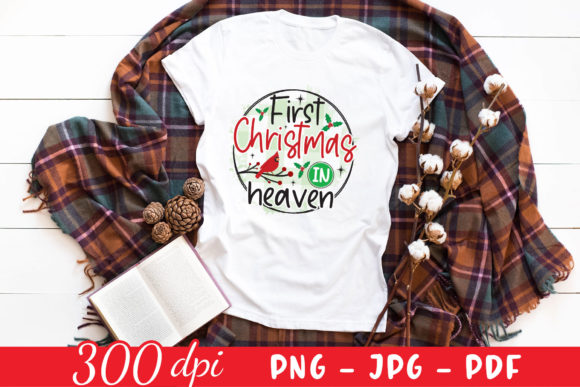
The cardinal has become a universal symbol of loved ones watching over us during the holidays. The First Christmas in Heaven, Cardinal PNG leverages this symbolism effectively. The composition typically features a vibrant red bird against a softer, often snowy or neutral background, paired with typography that speaks to memory and love. From a design standpoint, the contrast is key. The red of the cardinal must pop, but not so aggressively that it overwhelms the gentle message of the quote.
When evaluating this for a holiday embroidery project, I look at the layout. Is the text legible? Is the bird detailed enough to be recognizable without becoming a blob of dense stitching? In this case, the graphics are eye-catching yet refined. For sublimation users, the high-resolution 300 DPI PNG ensures that the edges remain crisp, even on larger items like pillow covers or tote bags. For embroiderers, this clarity helps in manual digitizing or when using auto-digitize software, as the source image provides clear boundaries for color separation.
Real-World Application: The Custom Sweatshirt Scenario
Let’s walk through a real-life scenario. Imagine a client approaches you with a request for a custom apparel item for their mother, who lost her husband last year. They want something wearable for Christmas morning, not just a display piece. You decide to use the First Christmas in Heaven, Cardinal PNG as the basis for a left-chest embroidery on a heavyweight cotton sweatshirt.
In this context, the design’s scale is critical. A full-back print might feel too heavy for such a sensitive message. However, a smaller, 4x4 inch hoop placement on the chest creates an intimate connection. The wearer feels the sentiment close to their heart. If you are sublimating, you might choose a white polyester blend tee, ensuring the colors of the cardinal remain true. If you are embroidering, you will need to simplify the shading of the bird. Real feathers require complex satin stitch work or varied fill stitch directions to mimic texture. Without proper simplification, the design could become stiff and uncomfortable against the skin.
Fabric Considerations and Stitching Challenges
One of the most common mistakes makers make is ignoring fabric texture and stability. This design, while beautiful, has elements that require careful handling. The typography, if included in your final embroidered version, needs to be large enough to read. Tiny lettering on textured fabrics like terry cloth towels or fleece blankets will disappear into the pile. For these materials, I recommend using a heavier weight stabilizer and possibly opting for a simpler font style if you are redrawing the text for embroidery.
If you are creating an embroidered patch or applique, this design shines. Applique allows you to use actual fabric for the cardinal’s body, reducing stitch count and bulk. You can layer a red felt or cotton under a zig-zag or satin border, then embroider the finer details like the eye and beak. This technique works exceptionally well for baby embroidery items, where softness is paramount. A dense, fully stitched cardinal might irritate a baby’s skin, but an applique approach keeps the finish smooth and flexible.
Be cautious with dark fabrics. If you are stitching directly onto a navy or black garment, you must ensure your underlay stitches are sufficient to prevent the background fabric from showing through the red threads. Testing your thread colors on scrap fabric is non-negotiable here. A bright crimson might look different against black than it does on your screen. Always run a test stitch-out to check for registration issues, especially if the design includes fine lines near the cardinal’s wings or tail.
Commercial Viability for Small Shops
For small shop product creators, this design fits perfectly into the "memorial gift" niche. It is not just a Christmas item; it is a sympathy item that happens to be seasonal. This dual nature extends its shelf life in your store. You can market it as part of your holiday embroidery collection in November and December, but also keep it available for year-round remembrance gifts.
When listing this as a digital embroidery file or a finished good, transparency is vital. Since the product description mentions PNG, JPG, and PDF files, clarify to your customers whether they are buying a printable sublimation design or a digitized stitch file. Many buyers confuse the two. If you are selling the finished handmade product, highlight the quality of the materials. Mention the type of stabilizer used and the care instructions. Customers who buy memorial items are often looking for durability and respect in the craftsmanship. A well-executed tote bag design or pillow cover using this graphic can become a cherished heirloom.
Technical Notes for Designers
Before you commit to production, consider these technical checkpoints:
- Check Licensing: Ensure you have the right commercial license if you plan to sell items made with this graphic. Some digital assets are for personal use only.
- Digitizing Strategy: If converting the PNG to an embroidery file, pay attention to the gradient in the cardinal’s feathers. Use short satin stitches or step fills to avoid long jumps that can snag.
- Hoop Size: Determine the optimal hoop size. A 5x7 hoop might allow for more detail in the background elements, while a 4x4 hoop forces you to crop or simplify the design.
- Contrast Testing: View the design in grayscale. If the text blends into the background shadows, you may need to adjust the color palette or add a outline stroke to improve readability.
- Washability: Memorial items are often kept for years. Use high-quality rayon or polyester threads that resist fading. Advise customers to wash inside out in cold water to preserve the vibrancy of the cardinal.
Final Thoughts on Design Integrity
The First Christmas in Heaven, Cardinal PNG is a strong contender for your Crafts and Graphics library because it balances aesthetic appeal with emotional depth. It is not overly complicated, which makes it accessible for intermediate embroiderers, yet it offers enough visual interest to satisfy experienced designers. Whether you are creating a sweatshirt embroidery piece for a client or designing a line of printable mockup assets for your online store, this design holds up under scrutiny.
Remember, the success of this project lies in the execution. Respect the sentiment behind the image by choosing high-quality materials and taking the time to test your stitches. When done correctly, this design does more than decorate a garment; it offers comfort. And in the world of handmade goods, that is the highest value we can provide.