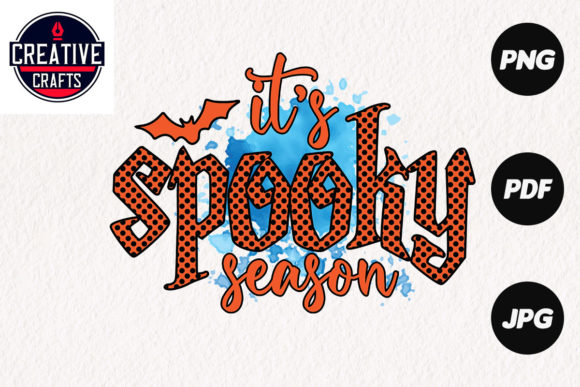
Halloween Sublimation Spooky Season Design Review
As a designer who spends half my life staring at digitized paths and the other half pulling threads through fabric, I have learned to be skeptical of digital assets that promise versatility without delivering clarity. When I first encountered Halloween Sublimation Spooky Season, my initial reaction was not about the holiday theme, but about the structural integrity of the quote itself. In the world of Crafts and Graphics, a design is only as good as its application. This review breaks down how this specific asset performs when translated from a screen into a tangible, stitched reality.
First Impressions and Visual Personality
The mood of Halloween Sublimation Spooky Season is immediately apparent. It captures that playful, slightly eerie vibe that defines modern autumn decor. The layout relies heavily on typography, which is always a double-edged sword for embroidery designers. The quote "It's Spooky Season" suggests a casual, friendly tone rather than a terrifying one. This makes it ideal for a broad audience, including families and young adults who prefer whimsical holiday aesthetics over gore.
From a visual standpoint, the design’s personality is bold. However, because this product arrives as a Zip folder containing PNG files at 300 DPI with transparent backgrounds, along with PDF and JPG formats, we are dealing with a raster-based graphic intended primarily for sublimation or print. For an embroidery professional, this means the design serves as a reference image or a template for manual digitizing, rather than a ready-to-stitch machine file. The transparency in the PNG is crucial here, allowing for clean placement on various mockups before any thread touches fabric.
Real-World Application: The Tote Bag Test
To truly evaluate a design, you must imagine it on a physical product. I recently worked on a custom order for a local boutique needing custom apparel and accessories for their fall launch. I envisioned Halloween Sublimation Spooky Season applied to a heavy-duty canvas tote bag design. The goal was to create a handmade product that felt premium yet accessible.
Using the provided high-resolution PNG, I placed the graphic onto a digital mockup of a natural cotton tote. The contrast was striking. The bold lettering stood out against the textured fabric background. If I were to digitize this for embroidery, I would likely opt for a fill stitch for the larger letters to ensure coverage, while using a satin stitch for smaller accents if the scale permitted. The result would be a durable embroidered patch effect that withstands frequent washing, unlike sublimation which can fade on non-polyester blends.
Performance Across Different Products
Versatility is key for any Etsy seller or small shop product creator. Here is how this design translates across common items:
- Sweatshirt Embroidery: On a fleece hoodie, the design needs careful handling. The texture of the fleece can swallow small details. I recommend increasing the stitch density slightly or using a cut-away stabilizer to prevent puckering.
- Baby Embroidery: For onesies or bibs, the playful font works well. However, ensure the hoop size is appropriate for the garment area. Soft, stretchy fabrics require a tear-away stabilizer to maintain comfort against sensitive skin.
- Kitchen Towels and Aprons: These items endure heat and moisture. A stitched version of this quote adds significant value as a personalized gift. The durability of thread surpasses printed ink, making it a superior choice for functional holiday embroidery.
- Digital Product Previews: Since the package includes JPG and PDF files, these are perfect for creating printable mockup assets. You can showcase the design on various backgrounds to attract buyers before you even produce the physical item.
Technical Considerations and Limitations
While the aesthetic appeal is strong, there are technical hurdles to consider when moving from a digital embroidery file concept to a finished product. Because Halloween Sublimation Spooky Season is provided as image files and not a native embroidery format like PES or DST, you cannot simply load it into your machine. You must digitize it yourself or hire a digitizer.
When digitizing, pay close attention to thread colors. The original graphic may use specific shades of orange, black, or purple. You need to map these to available embroidery threads, ensuring high contrast against your chosen fabric. Dark fabrics require lighter thread colors or an underlay stitch to make the design pop. Conversely, on light fabrics, avoid thin running stitch outlines that might get lost.
Be cautious with curved surfaces like caps. The rigid structure of a cap requires precise hooping. If the text is too long, it may distort around the curve. Test the design on scrap fabric first to check for registration issues. Also, avoid placing dense stitch areas near seams, as this can cause needle breaks or uneven tension.
Enhancing Brand Value and Customer Trust
For creative entrepreneurs, the quality of your design assets directly impacts buyer engagement. A well-executed embroidery project signals professionalism. When customers see clean stitches and thoughtful placement, they trust the brand. Using a recognizable phrase like "It's Spooky Season" taps into seasonal trends, boosting the giftability of your items.
However, consistency is vital. Ensure that the style of this design matches your broader catalog. If your brand focuses on minimalist aesthetics, this bold quote might feel out of place unless adapted subtly. For commercial embroidery projects, clarity is king. Make sure the text is legible from a distance. Tiny lettering often merges into a blob of thread after washing, so scale up the design for better readability.
Practical Designer Notes
Before committing to a large production run, follow these steps:
- Check Licensing: The product description mentions purchasing the product gives you access to the files. Always confirm if the license allows for commercial use of finished physical items. Most sublimation designs allow this, but verify specifically for mass production.
- Test on Scrap Fabric: Never skip this step. Stitch the design on the same fabric type you plan to use for the final product. Check for puckering, thread breaks, and color accuracy.
- Review Stabilizer Choice: Match the stabilizer to the fabric weight. Heavy denim needs a different support system than lightweight linen.
- Mockup in Black and White: Convert the PNG to grayscale to check value contrast. If the design looks flat in black and white, it may lack depth in stitching.
- Confirm Hoop Size: Measure the design dimensions against your machine’s maximum hoop capacity. Ensure there is enough margin for secure hooping.
In conclusion, Halloween Sublimation Spooky Season is a versatile graphic asset that, with proper digitizing and attention to detail, can elevate your craft business offerings. It bridges the gap between digital convenience and tactile craftsmanship, providing a solid foundation for creating memorable finished product lines this holiday season.