Hello Winter Snowman Sublimation PNG Review
As an embroidery designer who spends more time staring at digitized files than I do sleeping, I have learned to be skeptical of anything labeled "sublimation design" when my needle is threaded. Usually, these two worlds do not mix. Sublimation requires heat and polyester, while embroidery requires tension and thread. However, the Hello Winter - Snowman Sublimation PNG caught my eye not for its intended use, but for its potential as a reference asset in my craft business. In the world of Crafts and Graphics, versatility is king, and understanding how a static image translates into a tactile finished product is a skill every Etsy seller and small shop owner needs to master.
First Impressions: Mood and Visual Personality
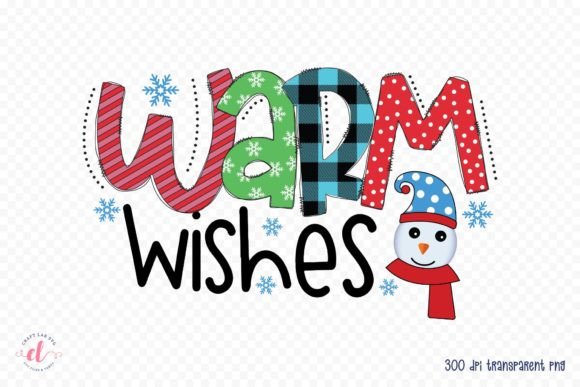
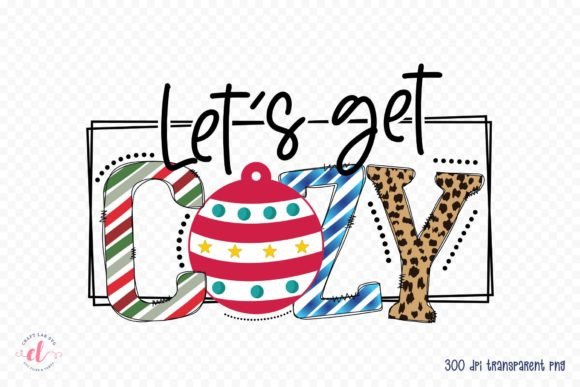
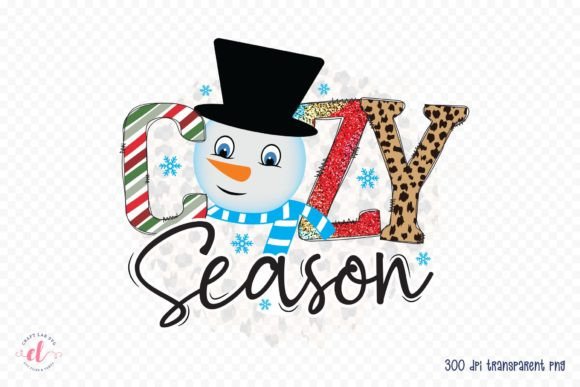
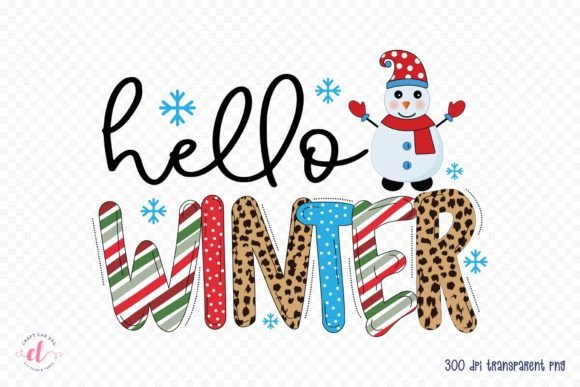
When I first opened the high-resolution 300 DPI PNG file, the immediate impression was one of cozy nostalgia. The snowman graphic is not just a generic clip-art figure; it carries a specific visual personality that feels hand-drawn and warm. For holiday embroidery, this mood is crucial. Customers are not just buying a sweatshirt or a tote bag; they are buying a feeling. The layout includes a beautiful quote that balances the graphical elements, creating a composition that feels complete rather than cluttered. This is vital because, in machine embroidery design, less is often more. A busy design can look chaotic once stitched, but this particular arrangement suggests a clean, readable final result.
The transparent background mentioned in the product description is a significant advantage for a designer. It allows me to drop this graphic onto various fabric textures in my digital mockups without fighting with white boxes or awkward edges. Whether I am visualizing a custom apparel piece for a client or creating a printable mockup for my online store, having clean graphics saves hours of editing time. It acts as a reliable set of design assets that can be manipulated to fit different branding needs.
Real-World Application: From Screen to Stitch
Let us talk about how this actually works in a real project. I recently had a request for a personalized gift: a heavy-weight cotton tote bag for a winter market vendor. The client wanted something festive but professional. While the Hello Winter - Snowman Sublimation PNG is technically a sublimation file, I used it as a blueprint. I traced the main outlines to create a custom embroidery file, using the original graphic to ensure my stitch placement matched the artistic intent of the quote and the snowman’s posture.
This approach is common among experienced embroidery designers. We often use high-quality graphics as inspiration or templates for digitizing. If you are an Etsy seller looking to expand your product line, consider how this graphic could translate into a satin stitch outline for the text and a combination of fill stitch and running stitch for the snowman’s details. The result on the tote bag was charming. The contrast between the thread colors and the natural canvas fabric made the design pop, proving that even a digital graphic can inspire a high-value handmade product.
For those who do not digitize their own designs, this PNG is still incredibly useful for hybrid projects. Imagine a sweatshirt embroidery project where the snowman is stitched, but the surrounding decorative elements are printed via sublimation if the garment blend allows. Or, consider using the PDF file included in the package to print iron-on transfers for areas that are too detailed for stitching, such as tiny lettering or complex shading. This hybrid method can elevate a standard embroidered patch or apron into a boutique-quality item.
Navigating Technical Challenges
However, we must be realistic about the limitations. If you are planning to use this design directly for sublimation on a garment that will also feature embroidery, you need to be careful about placement. Embroidery adds bulk. If you sublimate the Hello Winter - Snowman Sublimation PNG directly under a dense area of stitching, the heat press might distort the threads, or the embroidery might obscure the print. I always advise testing the design on scrap fabric first. Check how the ink interacts with the stabilizer and whether the heat affects the thread sheen.
Another critical consideration is hoop size. The graphic includes a quote, which means there are horizontal elements that require a wider hoop. If you are working with a 4x4 inch hoop, you may need to split the design or resize it, which could compromise the readability of the text. Always confirm hoop size compatibility before committing to a large batch of production. Additionally, pay attention to stitch density. If you digitize this yourself based on the graphic, avoid making the snowman’s body too dense with fill stitches, especially if you are working with stretchy fabric or thin materials like baby clothes. High density can cause puckering, which ruins the professional look of any commercial embroidery project.
Enhancing Brand Consistency and Customer Trust
From a business perspective, the quality of your source files matters. Using a low-resolution image for mockups can make your small shop product look amateurish. The 300 DPI resolution of this file ensures that your Instagram posts, website banners, and Etsy listings look crisp. This attention to detail builds customer trust. When buyers see a clear, well-presented design, they perceive higher value in the finished product. It signals that you care about quality, from the digital preview to the physical item they receive.
Furthermore, the versatility of this graphic allows for brand consistency. You can use the same snowman motif across different items—pillow covers, tea towels, and caps—creating a cohesive holiday collection. This recognition helps buyers remember your brand. Whether you are selling at a craft fair or online, having a unified visual theme makes your booth or storefront more memorable.
Practical Designer Notes for Best Results
Before you rush to use this in your next batch of holiday gifts, here are my top recommendations for getting the best results:
- Test on Scrap Fabric: Always run a test stitch-out or sublimation print on the exact fabric you plan to use. Fabric texture affects both ink absorption and stitch appearance.
- Check Thread Color Contrast: If digitizing, choose thread colors that stand out against your fabric. A white snowman on a cream towel will disappear. Use a light blue or grey for definition.
- Inspect Small Details: Look closely at the quote in the PNG. If the letters are too thin, they may not stitch well. You might need to adjust the font weight or switch to a simpler satin stitch for the text.
- Use Proper Stabilizer: For knit fabrics like sweatshirts, use a cut-away stabilizer to prevent distortion. For woven fabrics like tote bags, a tear-away might suffice, but test first.
- Verify Licensing: The product description mentions it can be used for many purposes, but always double-check the specific license terms. Confirm whether you can sell finished items or if it is for personal use only. This is crucial for any commercial embroidery venture.
- Mockup in Black and White: Convert the PNG to black and white on your screen. This helps you see the contrast and layout clearly without the distraction of color, ensuring the design holds up structurally.
In conclusion, the Hello Winter - Snowman Sublimation PNG is a versatile tool for the modern maker. While it is marketed for sublimation, its value extends far beyond that single application. For the embroidery designer, it serves as excellent inspiration for digitizing. For the craft business owner, it provides high-quality visuals for marketing and hybrid product creation. By understanding its strengths and respecting its technical limitations, you can create stunning, professional-grade items that delight customers and strengthen your brand. Whether you are making a single personalized gift or stocking your small shop for the holiday rush, this design offers the creative flexibility needed to succeed in today’s competitive market.