Review: "Sorry Girls, I'm My Uncle's Biggest Fan" Embroidery Design
As a designer who has spent countless hours digitizing and testing machine embroidery design files for client projects, I have developed a keen eye for what works in the hoop versus what merely looks good on a screen. Recently, I evaluated a playful graphic titled Sorry Girls, I m My Uncle s Biggest Fan. This piece falls under the broader categories of Crafts and Graphics, but its real value lies in its application for personalized gifts and small business merchandise. Here is my practical assessment of how this design performs in real-world embroidery scenarios.
First Impressions and Visual Personality
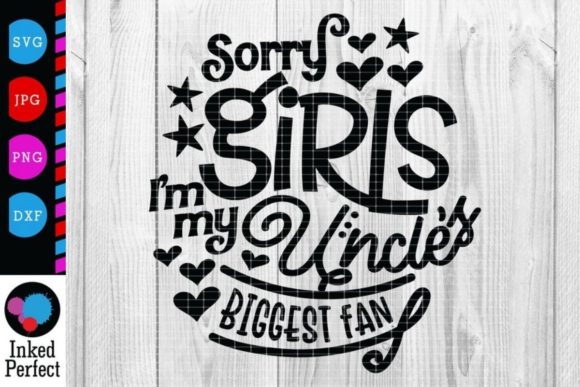
The immediate mood of this design is lighthearted and affectionate. The quote itself suggests a close, humorous family bond, making it an ideal candidate for a personalized gift or a statement piece for a child’s wardrobe. Visually, the inclusion of hearts and stars adds a whimsical touch that softens the boldness of the text. The creative font choice is crucial here; it needs to be legible while maintaining a hand-drawn or playful aesthetic that appeals to the target demographic.
When I first loaded the embroidery file into my viewer, I looked closely at the layout. The balance between the text and the decorative elements like hearts and stars determines whether the design feels cluttered or cohesive. In this case, the spacing appears intentional, allowing each element to breathe. This is vital for maintaining stitching clarity, especially when working with smaller hoop sizes or textured fabrics where fine details can get lost.
Real-World Application: The Custom Sweatshirt Test
To truly understand the viability of this design, I imagined applying it to a common project: a custom toddler sweatshirt. This is a high-demand item for Etsy sellers and boutique owners during the holiday season. The phrase "Sorry Girls, I m My Uncle s Biggest Fan" fits perfectly on the chest or back of a cozy fleece garment.
However, executing this on a sweatshirt requires careful consideration of stitch density. Fleece is thick and plush. If the design relies heavily on dense fill stitch areas without proper underlay, the text might sink into the fabric, losing definition. Conversely, if the density is too low, the backing might show through. For this specific design, which features a mix of text and small icons, I would recommend using a cut-away stabilizer to provide long-term support, ensuring the finished product remains professional after multiple washes.
Versatility Across Product Lines
Beyond sweatshirts, this design shows promise for various other handmade product lines. Consider these applications:
- Tote bag design: The bold lettering stands out well on canvas, making it a fun accessory for family outings.
- Embroidered patch: Creating a standalone patch allows for versatility. Customers can iron or sew it onto jackets, backpacks, or hats.
- Baby embroidery: For onesies or bibs, scaling down the design requires checking the minimum stitch length to ensure the tiny hearts do not become tangled knots.
- Holiday embroidery: This makes a charming addition to Christmas stockings or festive pillow covers, adding a personal touch to home decor.
Technical Considerations for Stitching Success
While the aesthetic is appealing, the technical execution determines whether you can sell this as a premium craft business item. Here are the critical factors I evaluate before committing to a production run.
Fabric Texture and Contrast: The design includes small details like stars. On rough textures like linen or heavy denim, these small elements may not stitch out cleanly. I always advise testing on scrap fabric first. Additionally, thread color contrast is key. If you are stitching on a dark fabric, ensure your thread colors pop. A printable mockup can help visualize this, but nothing beats a physical test stitch.
Stitch Types and Density: Review the digitizing carefully. Is the text created with satin stitch or a thin fill? Satin stitches offer a shiny, premium look but can snag if too wide. Running stitches are subtle but may not provide enough coverage for bold statements. Check if the design uses jump stitches efficiently to minimize thread trimming time, which is essential for maintaining profitability in commercial embroidery.
Hoop Size Constraints: Ensure the design fits within your standard hoop sizes. If the design is large, it might require a 5x7 or larger hoop. For smaller items like caps, you may need to resize the design, which can distort the aspect ratio of the font. Always check the proportions after resizing.
Business Value and Customer Appeal
From a business perspective, designs like Sorry Girls, I m My Uncle s Biggest Fan drive engagement because they tell a story. They are not just generic patterns; they evoke emotion and humor. This increases the perceived value of the custom apparel or gift. Customers are willing to pay more for items that feel unique and personal.
For small shop product listings, using high-quality photos of the stitched design on actual garments builds trust. Show the texture of the threads and the crispness of the edges. This transparency helps buyers understand the quality of your design assets and craftsmanship. It also reduces return rates by setting accurate expectations.
Practical Designer Notes
Before you list this as a digital embroidery file or use it in client work, keep these checkpoints in mind:
- Test on Scrap Fabric: Never skip this step. Verify that the small hearts and stars stitch out without bird nesting.
- Check Thread Colors: Ensure the chosen palette works on both light and dark backgrounds. Provide color change instructions if necessary.
- Review Stitch Density: Adjust density settings if your machine tends to pull fabric or if you are using delicate materials.
- Confirm Licensing: If you are selling finished items, verify the license terms of the embroidery project file. Some creators allow commercial use for physical goods but restrict digital resale.
- Inspect Small Details: Zoom in on the digitized file. Are there any unnecessary jumps or complex turns that could cause thread breaks?
In conclusion, Sorry Girls, I m My Uncle s Biggest Fan is a charming addition to any designer’s library. Its success depends on thoughtful execution regarding fabric choice, stabilizer use, and thread selection. By treating it with the technical respect it deserves, you can create beautiful, marketable items that resonate with customers looking for heartfelt, humorous, and high-quality embroidery project outcomes. Whether you are an experienced Etsy seller or a hobbyist making gifts for family, this design offers a delightful opportunity to showcase your stitching skills.