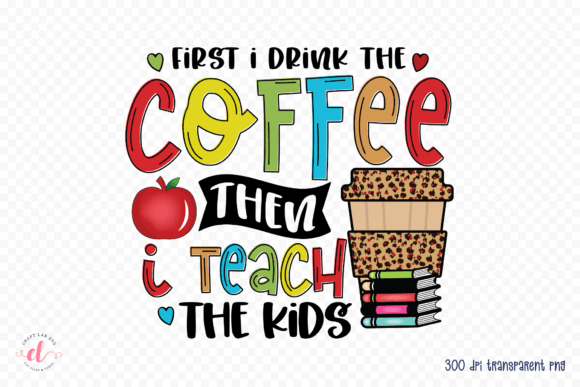
Reviewing First I Drink the Coffee - Teacher PNG
As a designer who spends half my life digitizing and the other half stitching, I have learned that not every graphic translates well to thread. When I first pulled up First I Drink the Coffee - Teacher PNG, my initial reaction was one of cautious optimism. The quote is undeniably relatable, tapping into that universal morning ritual that educators everywhere understand. However, knowing that this product is listed under Crafts and categorized as Graphics, specifically as a sublimation design with high-resolution 300 DPI PNG, JPG, and PDF files, I had to pause. This is not a native machine embroidery design file like a PES or DST. It is a raster image intended for printing. For those of us in the embroidery world, this distinction changes everything about how we approach the project.
The Visual Appeal and Mood
The design features eye-catching graphics paired with a bold, humorous statement. Visually, it carries a mood that is both professional and playfully exhausted. It speaks directly to the teacher who needs that caffeine kick before facing a classroom of energetic students. The layout appears balanced, with the typography likely serving as the focal point. In the context of digital embroidery file usage, a design like this relies heavily on legibility. If the font is too thin or the details too intricate, it will get lost in the stitch structure. Since this is a PNG with a transparent background, the clarity of the edges is crucial. A crisp edge means easier tracing or manual digitizing if you plan to convert it for stitching, rather than printing it directly onto fabric.
Real-World Application: The Custom Tote Bag Scenario
Let’s imagine a real-life scenario. A local school PTA approaches you for a bulk order of appreciation gifts. They want something practical, durable, and funny. You decide on a heavy canvas tote bag design. Here is where the nature of First I Drink the Coffee - Teacher PNG becomes critical. Because this is a sublimation-ready graphic, you have two paths. You could print it on sublimation paper and heat press it onto a polyester-coated tote. This yields a smooth, flat finish with no texture. Alternatively, if you are an embroiderer, you might use this PNG as a reference to create a custom embroidery file.
If you choose to embroider, you are not stitching the PNG directly. You are interpreting it. The "coffee" element might benefit from a rich brown fill stitch to give it weight, while the text could be rendered in a clean satin stitch for sharpness. The contrast between the dark coffee graphic and the light thread of the text would pop beautifully against a natural canvas background. This approach turns a simple graphic into a textured, high-value handmade product. Customers often perceive embroidery as more premium than printing, which can justify a higher price point for your small shop product.
Navigating Fabric and Technique Challenges
When adapting a graphic like this for custom apparel, such as a sweatshirt embroidery project, you must consider stitch density. Teachers are active; they bend, reach, and move. A design that is too dense will feel stiff and uncomfortable on a cotton blend sweatshirt. If you are digitizing this from the PNG source, you need to ensure the running stitch underlays are sufficient to prevent puckering, especially if the text is large.
Another consideration is the hoop size. If the quote is long, it might require a 5x7 or even a 6x10 hoop. Always check your machine’s maximum area before starting. For smaller items like baby embroidery projects or caps, this design might be too large or detailed. On a curved surface like a cap, complex graphics can distort. In such cases, simplifying the design or focusing only on the coffee cup icon might be a smarter move. Additionally, when working with textured fabrics like terry cloth towels or fleece, the fine details of the original PNG might get swallowed by the pile. Using a cut-away stabilizer is non-negotiable here to maintain shape and clarity.
Commercial Viability for Etsy Sellers
For the Etsy seller or craft business owner, versatility is key. This design fits perfectly into the niche of teacher appreciation, back-to-school promotions, and end-of-year gifts. It is highly shareable on social media, which aids in organic marketing. However, since the product description specifies it includes PNG, JPG, and PDF files, you must be clear about what you are selling. Are you selling the printed item, or are you using this as inspiration for a digitized product?
If you are creating printable mockup assets for your store, this high-resolution 300 DPI file is excellent. It allows you to create realistic previews of mugs, signs, and shirts without needing to physically produce every item first. This saves time and resources. For commercial embroidery projects, ensure you have the right license. Most graphic designers allow the use of their PNGs for physical end-products, but reselling the digital file itself is usually prohibited. Always read the specific terms provided by the creator to protect your brand consistency and legal standing.
Practical Designer Notes for Best Results
- Test on Scrap Fabric: Before committing to the final garment, stitch out your digitized version on a similar fabric scrap. Check for thread breaks and tension issues.
- Color Contrast: The original PNG likely has specific colors. When translating to thread, ensure your thread colors provide enough contrast against the fabric. A dark coffee cup on a navy shirt will vanish.
- Check Small Details: Zoom in on the PNG. Are there tiny specks or thin lines? These may need to be removed or thickened during digitizing to prevent them from looking like messy knots in the finished product.
- Stabilizer Selection: For stretchy fabrics like t-shirts, use a tear-away stabilizer with a fusible top sheet to prevent sinking. For hats, use a stiff backing.
- Mockup Testing: Use the JPG or PNG to create digital mockups on both light and dark backgrounds. This helps you visualize how the design performs in different contexts before you spend hours hooping and stitching.
Final Verdict on Design Utility
First I Drink the Coffee - Teacher PNG is a strong contender for seasonal craft lines. Its strength lies in its relatability and clear visual hierarchy. While it is not a ready-to-stitch applique design or native embroidery file, it serves as an excellent foundation for creators who know how to bridge the gap between print and stitch. By understanding the limitations of the format and applying proper digitizing techniques, you can transform this graphic into a standout personalized gift or a best-selling item in your boutique. Whether you are making a single embroidered patch for a friend or a hundred mugs for a school district, the key is respecting the medium. Treat the PNG as a blueprint, not the final build, and your results will reflect that professional care.