Reviewing Teacher Crew Sublimation Design for Embroidery
As a designer who spends half my life digitizing and the other half stitching, I approach any new design assets with a healthy dose of skepticism. We have all been there: you download a file that looks crisp on screen, only to find it turns into a bird’s nest of thread once it hits the fabric. Today, I am taking a close look at the Teacher Crew, Teacher Sublimation Design. While this product is marketed primarily for sublimation on items like mugs and signs, its high-resolution graphics offer an interesting challenge for those of us in the Crafts and embroidery world who want to adapt visual themes for stitched products.
First Impressions: Mood and Visual Personality
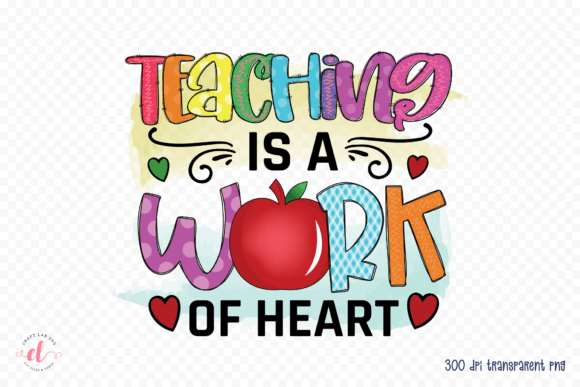
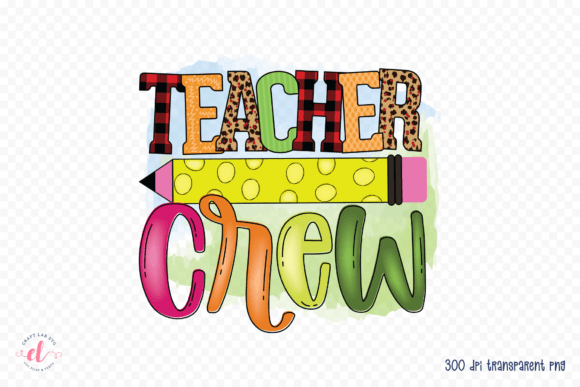
The first thing that strikes me about the Teacher Crew, Teacher Sublimation Design is its bold, celebratory mood. It captures that specific energy of educator pride—community, fun, and professionalism all rolled into one. The layout features eye-catching graphics paired with a beautiful quote, which immediately suggests versatility. For an embroidery designer, the "eye-catching" nature of the graphics is a double-edged sword. Complex gradients and shadows in a PNG or JPG do not translate directly to thread. However, the strong shapes and clear typography provide an excellent foundation for creating a custom machine embroidery design.
The visual personality here is modern and friendly. It does not feel overly childish, which is crucial if you are targeting high school teachers or administrative staff rather than just early childhood educators. This distinction matters when you are building a small shop product line. You want designs that feel respectful and stylish, not just cute. The transparent background mentioned in the description is a lifesaver for mockups, allowing you to visualize how the core elements might sit on a dark navy polo or a light heather gray tee before you even touch your digitizing software.
Real-World Application: From Screen to Stitch
Let’s talk about a real scenario. Imagine a local elementary school is holding a fundraiser, and they need custom apparel for their staff. They want something cohesive but not uniform. This is where the Teacher Crew, Teacher Sublimation Design concept shines if adapted correctly. I recently worked on a similar project where I used the graphic elements from a sublimation-style file as a reference for an embroidered patch. The result was a textured, premium finished product that felt far more valuable than a printed shirt.
If you are an Etsy seller or run a craft business, you know that customers perceive embroidery as higher quality than print. By taking the core motifs from this design—perhaps the central icon or the key words from the quote—you can create a stunning sweatshirt embroidery piece. The high resolution (300 DPI) of the source files means you can zoom in without pixelation, making it easier to trace paths for your applique design or manual digitizing. This is particularly useful for creating personalized gift items, such as a tote bag for a retiring teacher. A tote bag design benefits from bold lines, and the graphics here provide exactly that structural integrity.
Navigating Technical Challenges
However, we must be realistic. This is a sublimation design, not a native embroidery file. You cannot simply load a PNG into your embroidery machine. You must digitize it or use it as a template for applique. Here is where caution is required. The "beautiful quote" mentioned in the description likely involves lettering. In embroidery, tiny lettering is a nightmare. If you attempt to stitch small text directly onto a textured fabric like a terry cloth towel or a fuzzy fleece blanket, the stitches will sink and become unreadable.
For best results, I recommend using the graphic elements for a fill stitch background and converting the text into a larger, bolder font suitable for a satin stitch border. If you are working on curved surfaces like caps, keep the design compact. A large, dense design on a cap will cause puckering, no matter how good your stabilizer is. Always test the design on scrap fabric first. Check the stitch density; sublimation graphics can look deceptively simple, but when converted to thread, they can become heavy and stiff. Use a running stitch for underlay to ensure stability, especially on stretchy fabrics like performance tees.
Fabric and Product Considerations
The versatility of the Teacher Crew, Teacher Sublimation Design theme allows it to work across various mediums, but each requires a different approach. For baby embroidery, softness is key. Avoid dense fills on onesies; instead, use the design’s simpler icons for small, airy embroidery on the chest or sleeve. For holiday embroidery projects, such as end-of-year gifts, consider using the design on kitchen towels. Here, a lighter touch with contrasting thread colors against white linen creates a sophisticated look.
When dealing with dark fabric, remember that sublimation designs often rely on light backgrounds. You will need to invert your color strategy. A design that looks great on a white mug might need significant adjustment to pop on a black hoodie. Test it in black and white mockups to ensure the contrast holds up. If you are creating custom apparel for a boutique, consistency is vital. Ensure that the hoop size you choose accommodates the full breadth of the graphic without cropping essential details. A 5x7 hoop might be tight for a wide graphic, so consider breaking the design into smaller elements or opting for a larger hoop if your machine allows.
Enhancing Brand Value and Customer Trust
Why go through the trouble of adapting a sublimation design for embroidery? Because it elevates your brand. When a customer receives a handmade product with precise, clean stitching, it builds trust. It shows attention to detail. Using popular themes like the "Teacher Crew" concept allows you to tap into existing market demand while offering a unique, tactile product. This differentiation is crucial for commercial embroidery success. Your printable mockup might draw them in, but the quality of the stitch keeps them coming back.
Furthermore, this approach supports better brand consistency. If you sell both sublimated mugs and embroidered totes, using the same core graphic design creates a cohesive collection. Customers appreciate being able to buy matching sets. It increases the perceived value of your design assets and encourages larger orders. Just ensure you are clear about what you are selling. If you are selling the digital file, clarify that it is for sublimation. If you are selling the stitched item, highlight the craftsmanship involved in translating the graphic to thread.
Practical Designer Notes
Before you launch your next embroidery project using this theme, keep these checkpoints in mind:
- Check Licensing: The product description mentions it is perfect for various items, but always confirm the license terms. Can you use the graphic to create a derivative embroidery design for sale? Most commercial licenses allow this, but verify specifically for "digital embroidery file" creation if you plan to sell the DST or PES file itself.
- Contrast is King: Review thread color contrast against your chosen fabric. A subtle gray graphic on a heather gray shirt will vanish. Go bold.
- Stabilizer Selection: For lightweight fabrics like tea towels, use a cut-away stabilizer to prevent distortion after washing. For stable cottons, a tear-away may suffice.
- Detail Inspection: Zoom in on the 300 DPI PNG. Are there tiny dots or thin lines? These will not stitch well. Simplify them in your digitizing software.
- Mockup Testing: Create mockups on both light and dark backgrounds. This helps you plan your thread palette effectively.
In conclusion, the Teacher Crew, Teacher Sublimation Design is a robust starting point for creative entrepreneurs. It offers strong visual hooks that, when translated with care into embroidery, can result in high-quality, desirable goods. Whether you are making a personalized gift for a favorite educator or stocking your online store with small business merchandise, the key lies in respecting the limitations of thread while leveraging the strength of the graphic design. With proper digitizing and material selection, this design can easily transition from a flat image to a textured, tangible piece of art.