Stitching Joy: Reviewing the Official Cookie Bakery Design
As an embroidery designer who has spent countless hours staring at digitized files and watching needles fly across fabric, I have developed a keen eye for what works in the real world. We often get swept up in the digital preview, but the true test of any machine embroidery design is how it translates from screen to stitch. Recently, I pulled up the Official Cookie Bakery - Funny Christmas file to evaluate its potential for my upcoming holiday collection. This isn’t just another festive graphic; it is a piece of Graphics art that demands careful consideration before it hits the hoop.
First Impressions and Visual Personality
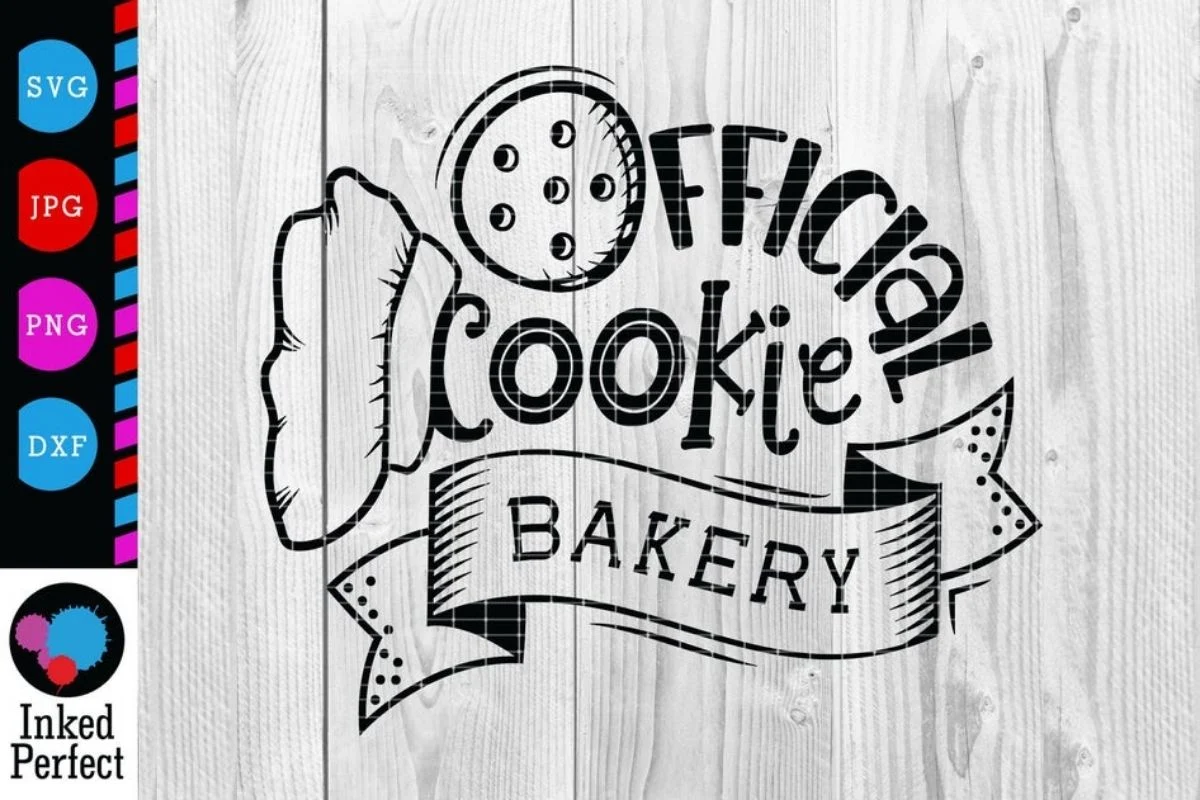
The first thing that strikes you about this design is its playful, inviting mood. It features a charming cookie illustration paired with a chef’s hat, creating an immediate association with warmth, home baking, and holiday cheer. For those of us in the Crafts industry, visual personality is everything. This design does not scream for attention with aggressive colors or overly complex shading. Instead, it relies on clean lines and a balanced layout that suggests professionalism without losing its whimsical charm.
The layout is particularly interesting for embroidery applications. The combination of text and iconography requires a delicate balance. If the lettering is too small, it becomes illegible after stitching. If the cookie details are too dense, the fabric may pucker. From a designer’s perspective, this piece feels like it was created with an understanding of these constraints. It offers a solid foundation for a variety of projects, provided you respect its structural limits.
Real-World Application: The Holiday Apron Test
To truly understand the value of this design, I imagined a specific scenario: creating a custom holiday gift for a client who runs a small boutique bakery. She wanted something unique for her staff uniforms—specifically, high-quality cotton aprons. This is where Official Cookie Bakery - Funny Christmas shines. The theme aligns perfectly with kitchen wear, making it an ideal choice for cooking aprons or even a new kitchen sign.
When planning this embroidery project, I considered the placement. Centered on the bib of an apron, the design would serve as a focal point. However, because it includes both a graphic element (the cookie and hat) and text, I had to think about scale. On a standard adult apron, the design needs to be large enough to read from a few feet away but not so large that it overwhelms the wearer. This is a common challenge with commercial embroidery projects, and this design handles the transition well, assuming proper sizing.
Versatility Across Product Lines
Beyond aprons, this design has significant potential for other handmade product lines. Imagine it stitched onto a heavy canvas tote bag design for grocery runs or holiday shopping. The sturdy nature of canvas supports the stitch density well, ensuring the cookie shape remains crisp. For apparel, it could work beautifully as sweatshirt embroidery on the left chest or as a larger back print, depending on the hoop size available.
For Etsy seller communities, versatility is key to maximizing return on investment. This file could easily be adapted for:
- Personalized gift items like tea towels or dishcloths.
- Baby embroidery on onesies, though scaling down requires caution with detail.
- Embroidered patch creation for iron-on applications.
- Decorative pillow covers for seasonal home decor.
The key is recognizing that this is a digital embroidery file meant to be adapted. It is not a one-size-fits-all solution, but rather a flexible asset for creative entrepreneurs.
Technical Considerations and Stitching Clarity
Let’s talk about the technical side. When evaluating any embroidery file, we must look at stitch types. While I do not have the exact stitch count for this specific file, designs featuring cookies and hats typically utilize a mix of fill stitch for the body of the cookie and satin stitch for borders or text. This combination creates texture and definition.
However, there are areas where caution is necessary. The "chef's hat" element likely involves white or light-colored thread. If you are stitching this on dark fabric, such as a navy blue sweatshirt or a black tote, you must ensure high contrast. Without proper underlay or a stabilizer backing, light threads can disappear into dark fabrics. I always recommend testing the design on scrap fabric first, especially when dealing with textured materials like terry cloth towels or fuzzy fleece.
Stitch density is another critical factor. If the cookie design is too dense, it can cause the fabric to pull or pucker, ruining the finished product. Conversely, if it is too light, the fabric underneath may show through. For a professional look, using the correct stabilizer is non-negotiable. For stretchy fabrics like t-shirts, a cut-away stabilizer is essential to maintain the integrity of the design after washing.
Navigating Small Details and Hoop Sizes
One of the risks with any design containing text and small icons is the loss of detail in smaller hoop size configurations. If you attempt to shrink this design for a baby hat or a small pocket, the lettering in "Official Cookie Bakery" may become illegible. The curves of the cookie and the folds of the hat might merge into a blob of thread. Therefore, this design is best suited for medium to large hoops where the details can breathe.
For curved surfaces like caps, extra care is needed. The stiffness of the cap material combined with the density of the embroidery can cause distortion. I advise using a strong top stabilizer and possibly adjusting the pull compensation settings in your embroidery software if you have access to the source file. If you are using a pre-digitized file, stick to flat surfaces like pillows, towels, or the front panel of a cap where the fabric is supported by buckram.
Enhancing Brand Value and Customer Trust
From a business perspective, using high-quality design assets like this contributes directly to brand consistency and customer trust. A sloppy, poorly stitched design reflects poorly on the maker. In contrast, a crisp, well-executed Official Cookie Bakery - Funny Christmas motif elevates the perceived value of the item. It signals to the buyer that attention was paid to detail.
For small shop product listings, the visual appeal of this design can drive engagement. It is festive without being tacky, making it suitable for a wide audience. Whether used for holiday embroidery gifts or year-round kitchen decor, it has a timeless quality. When customers see a clean, professional finish, they are more likely to leave positive reviews and return for future purchases.
Final Designer Notes
Before you commit to a full production run, take these practical steps:
- Check Licensing: Confirm whether the license allows for commercial use if you plan to sell finished items. Never assume; always verify.
- Test Thread Colors: Experiment with different thread palettes. While traditional cookie colors are brown and tan, consider festive reds and greens for a Christmas twist, or pastels for a softer look.
- Mockup Verification: Use printable mockups or digital previews to visualize the design on different backgrounds. Check it in black and white to ensure contrast holds up.
- Fabric Selection: Avoid very thin or sheer fabrics unless you are experienced with lightweight stabilization. Medium-weight cotton, linen, and denim are your safest bets.
In conclusion, Official Cookie Bakery - Funny Christmas is a strong contender for your holiday lineup. It offers a blend of humor and warmth that resonates with buyers. By respecting its technical requirements and choosing the right applications, you can create stunning custom apparel and home goods that stand out in a crowded market. Happy stitching!